I now know that my Patriots Tour is the most popular tour in colonial williamsburg. Viator/Tripadvisor has me at #8 in their list but (cool story)….
Last year I offered to sell tours to all the timeshares in the area at a discount (the tour could be offered to guests who knowingly attend the timeshare presentation). None took me up on the offer. Now the local timeshare companies are purchasing my tour thru a company called ” vacations made easy” and force travelers to show up at a timeshare sales floor to claim the tickets. The hope is that the traveler will be pressured into attending a presentation.
On my end and the travelers end it appears as if they purchased their ticket thru viator/tripadvisor so no one knows the difference.
So long story short, my tour is now the most popular but if you got your ticket thru “vacations made easy ” I’m sorry.
Christmas decorations in Colonial Williamsburg
Christmas in Colonial Williamsburg
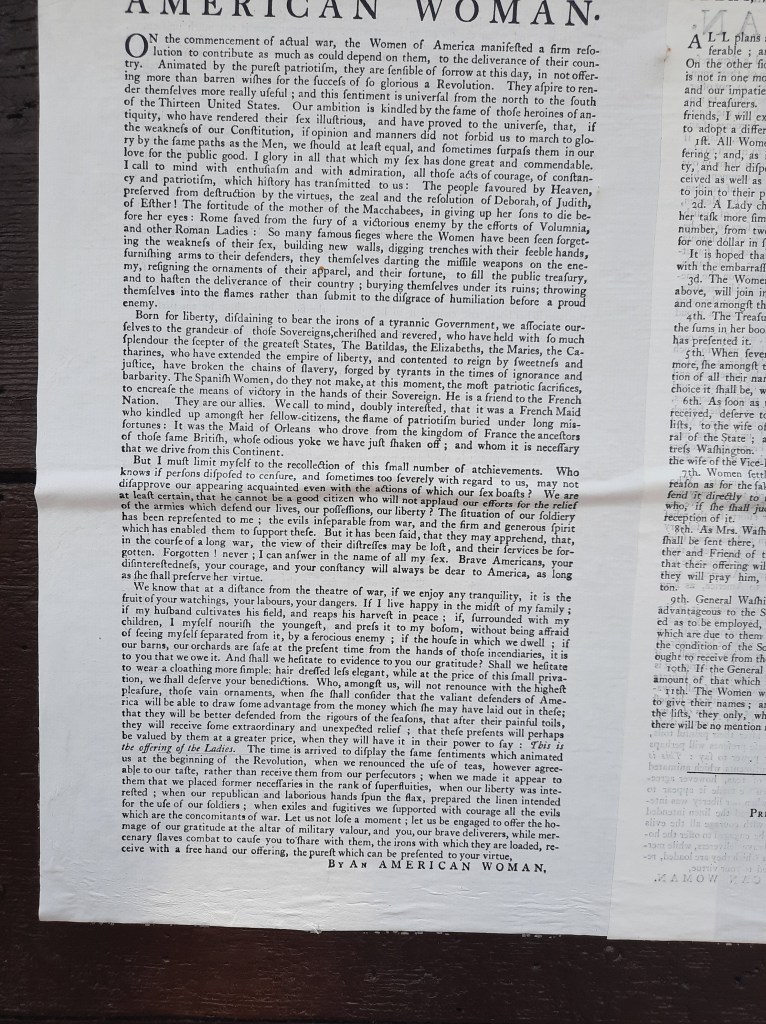
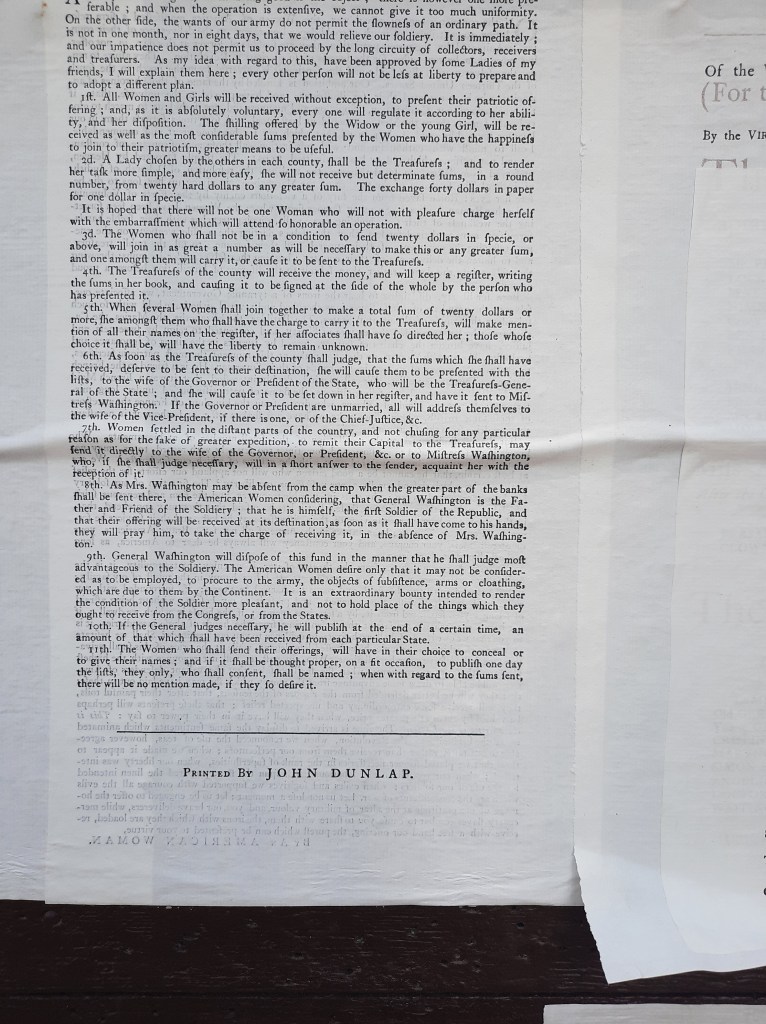
From the printer in Colonial Williamsburg
Remembering John Punch, a Pivotal Figure in Slavery’s Dark History
Introduction:
As we delve into the painful chapters of human history, it is crucial to shed light on the stories that reflect the struggles and resilience of those who have been subjected to oppression. One such figure is John Punch, whose name echoes in the annals of slavery as the first recorded enslaved African in the American colonies. Recognizing his story is a reminder of the immense suffering endured by millions and the imperative to strive for a more just and equal society.
The Story of John Punch:
John Punch’s narrative is a poignant account that exposes the cruelty and dehumanization inherent in the institution of slavery. In the year 1640, Punch, along with two white indentured servants, attempted to escape their servitude in Virginia. Unfortunately, their bid for freedom was thwarted, and they were captured.
Legal Significance:
What sets John Punch’s story apart is the legal response it elicited. The court ruling on the matter sent a chilling message about the future of slavery in the American colonies. In a landmark decision, the court declared that Punch, an African indentured servant, and his companions would serve a lifetime of slavery, effectively establishing the precedent that individuals of African descent could be held as lifelong property.
Historical Context:
It is essential to contextualize John Punch’s story within the broader historical framework of slavery’s emergence and transformation in the Americas. While not the sole factor, this ruling played a significant role in shaping the trajectory of chattel slavery in the colonies. It further entrenched the notion of racial superiority and laid the foundation for centuries of systemic oppression and racial inequality.
The Legacy and Lessons:
John Punch’s story serves as a stark reminder of the profound injustices endured by enslaved people throughout history. His case highlights the early legal precedents that reinforced the brutal system of slavery and set the stage for its long-lasting impact. Remembering John Punch and countless others who suffered under the yoke of slavery compels us to confront the legacy of racial discrimination that persists today.
Conclusion:
As we reflect on the story of John Punch, the first recorded enslaved African in the American colonies, we are reminded of the painful past that shapes our present. His case represents a pivotal moment in the history of slavery, underscoring the need for continued efforts to promote equality, justice, and compassion. By acknowledging the hardships and struggles endured by those who came before us, we can strive to build a more inclusive and equitable future for all.
Wishing wells?
The windmill
The windmill at Colonial Williamsburg stands as a symbol of human innovation and resilience. It serves as a reminder of the importance of sustainable practices and harnessing renewable energy sources. In an era where environmental consciousness is paramount, the windmill’s legacy inspires us to explore alternative energy solutions and recognize the wisdom of the past.
The windmill at Colonial Williamsburg is more than a static structure; it is a living testament to the ingenuity and resourcefulness of America’s colonial settlers. Its presence adds depth and authenticity to the immersive experience of exploring the historical streets of Williamsburg. As we marvel at its grandeur and learn from its functional beauty, we are reminded that the echoes of the past can guide us towards a brighter, more sustainable future.
The Colonial Capitol
The Raleigh Tavern
Book your tour of Colonial Williamsburg at sandifertours.com
 Lonnie Sandifer tour guide