I now know that my Patriots Tour is the most popular tour in colonial williamsburg. Viator/Tripadvisor has me at #8 in their list but (cool story)….
Last year I offered to sell tours to all the timeshares in the area at a discount (the tour could be offered to guests who knowingly attend the timeshare presentation). None took me up on the offer. Now the local timeshare companies are purchasing my tour thru a company called ” vacations made easy” and force travelers to show up at a timeshare sales floor to claim the tickets. The hope is that the traveler will be pressured into attending a presentation.
On my end and the travelers end it appears as if they purchased their ticket thru viator/tripadvisor so no one knows the difference.
So long story short, my tour is now the most popular but if you got your ticket thru “vacations made easy ” I’m sorry.
Category Archives: Uncategorized
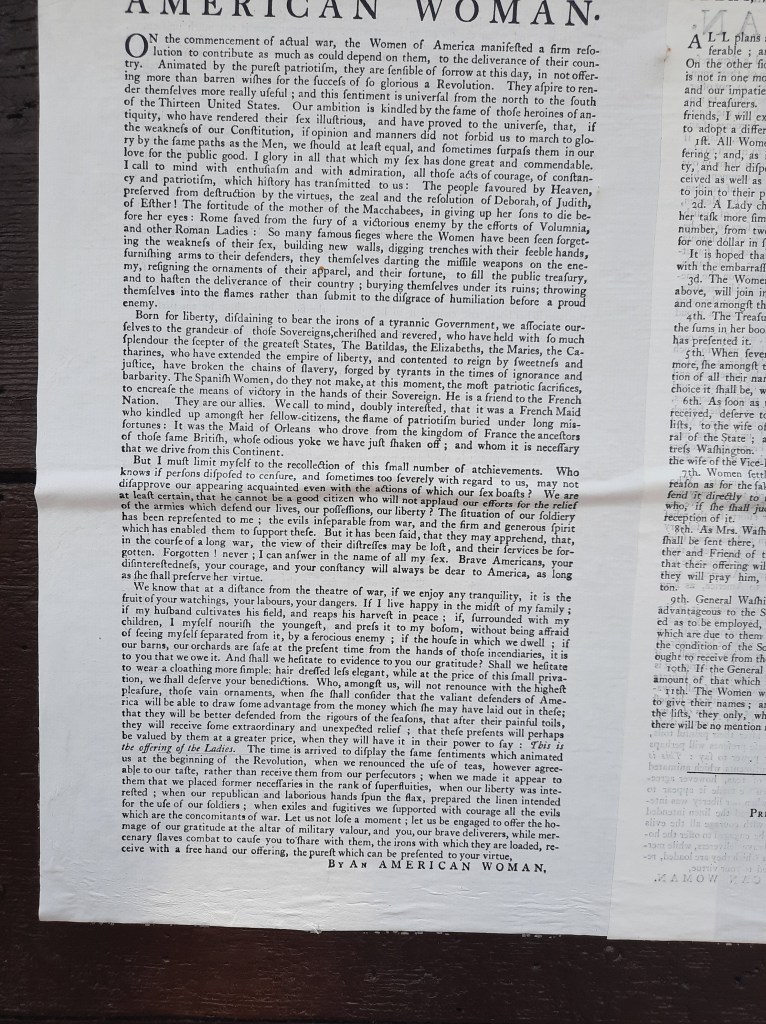
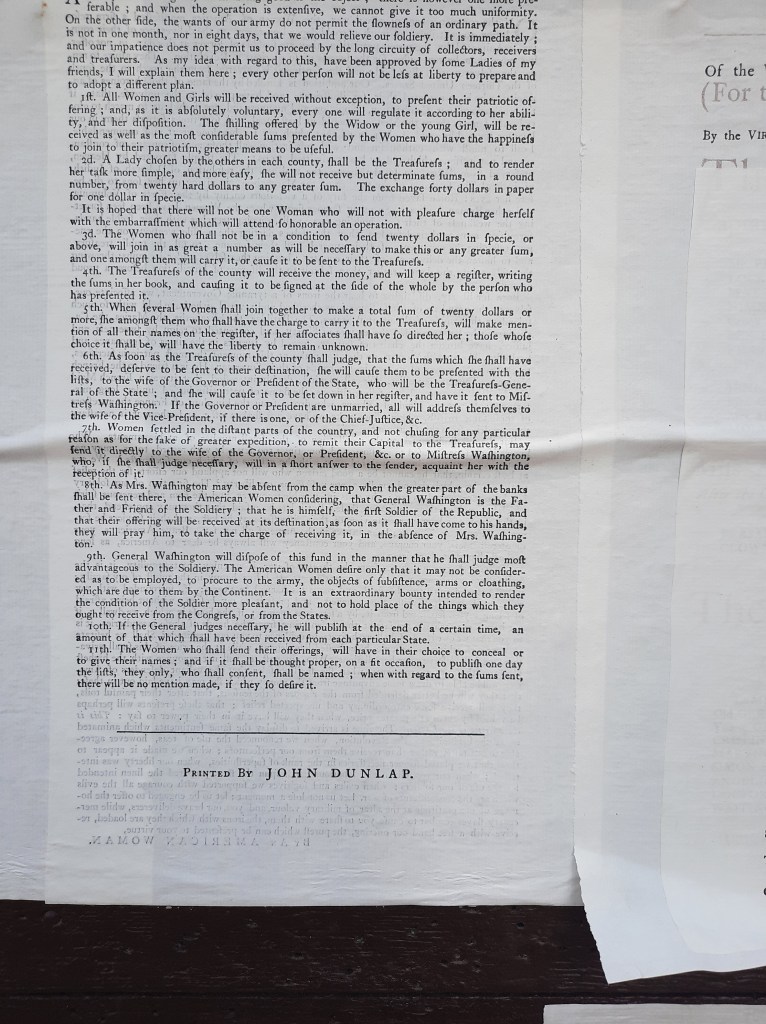
From the printer in Colonial Williamsburg
The Charlton Coffee House
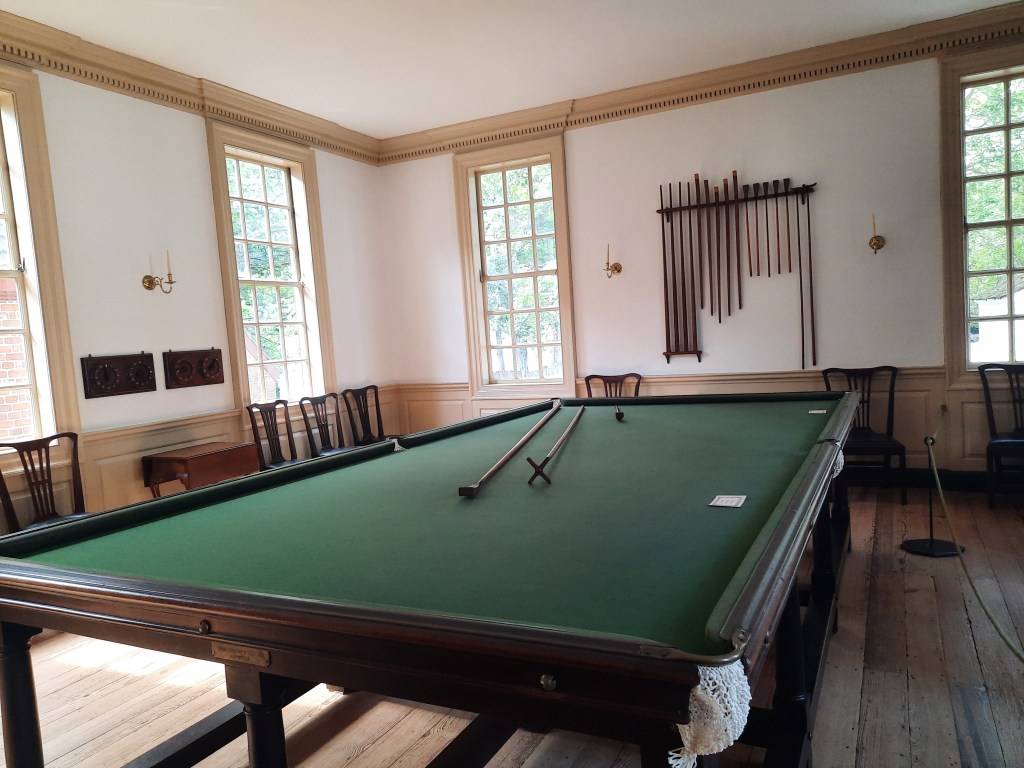
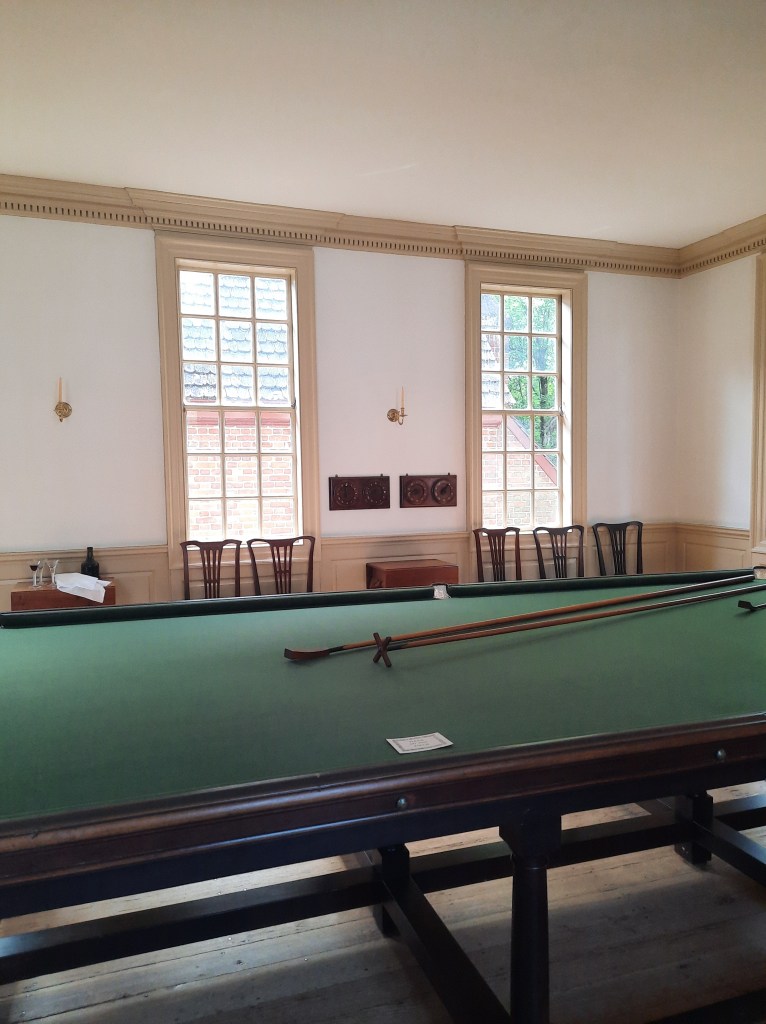
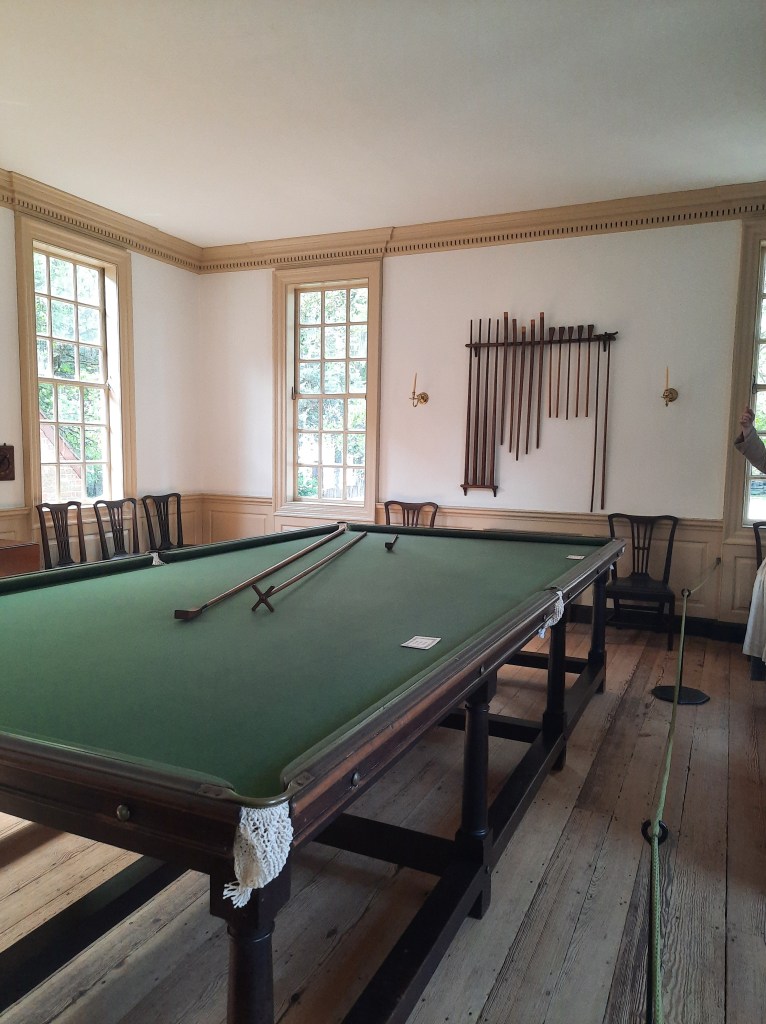
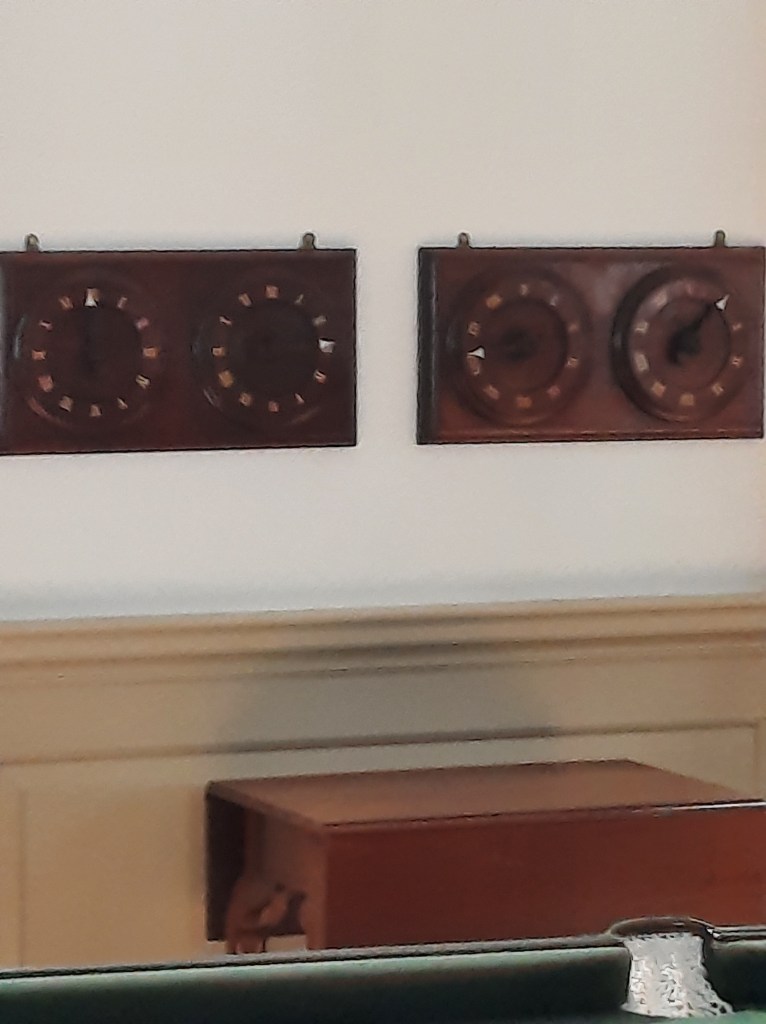
The billiards table is back in the Raleigh tavern
July 4th schedule
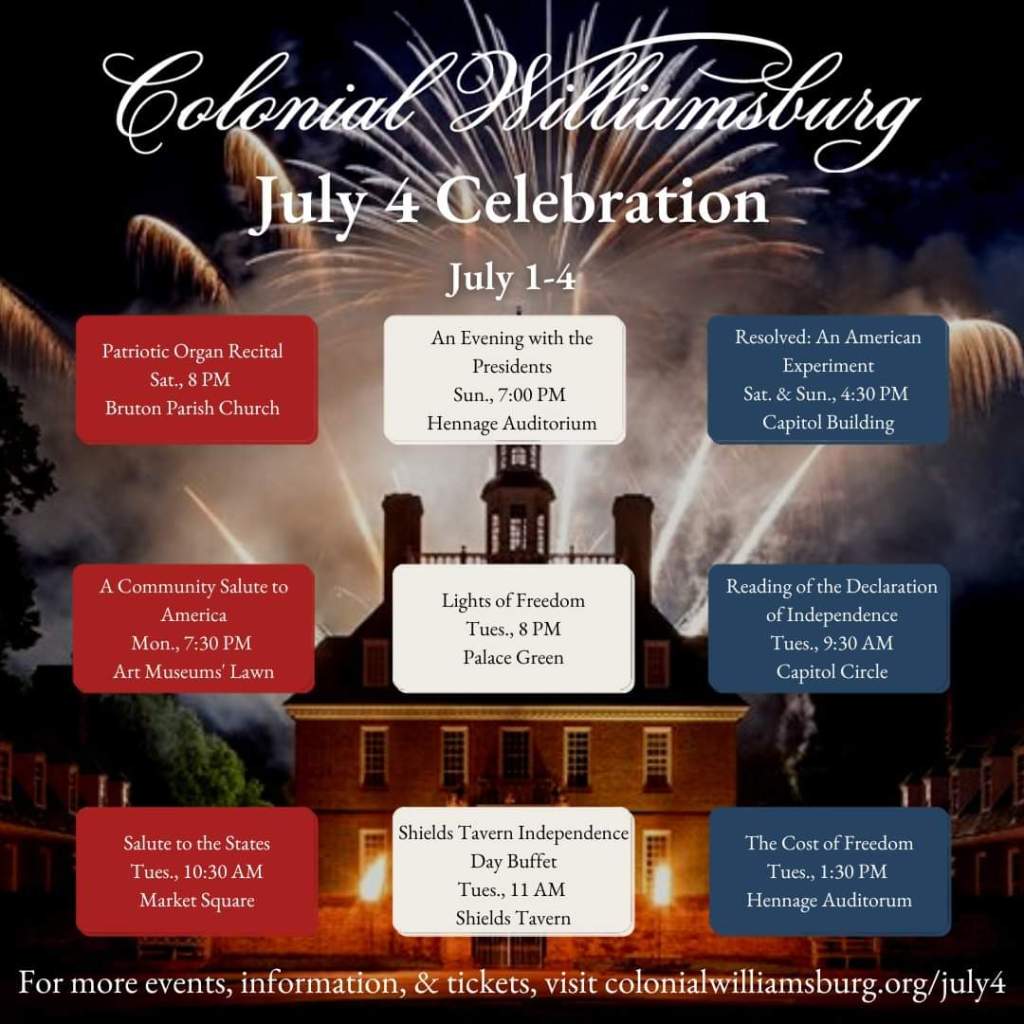
Free admission to Colonial Williamsburg exhibits on July 4th. Do something different this year. Use your savings to book a walking tour. Sandifertours.com for a fraction of the cost of admission you can get a walking tour and still explore the exhibit sites. It’s the best of both worlds.
The First Slave in the American Colonies
John Punch is believed to be the first African slave in the British colonies of North America. His story is a tragic one that speaks of the inhumanity of the slave trade and the dehumanization of people of African descent. His story is recorded in the annals of American history and serves as a reminder of the brutal past that we must never forget.
John Punch was an enslaved man who lived in Virginia in the 17th century. He worked on a plantation in the colony and was brought over from Africa against his will. His wife and child were also enslaved on the same plantation, and their lives were similarly tragic.
In 1640, John Punch was punished severely for attempting to run away from his enslavement. Along with two white indentured servants who had also attempted to escape, John Punch was brought before a court in Virginia. The court found all three men guilty, but the punishment meted out to the black man was far more severe than that given to the white men.
While the white indentured servants were to serve their masters for an extended period, John Punch was sentenced to a lifetime of slavery. He was whipped, branded on his face with the letter “R,” and forced to work for the rest of his life without any hope of release or freedom. In essence, he became the first African slave in the British colonies of North America.
John Punch’s case is significant because it shows how the legal system treated people of African descent differently from whites. It also highlights the beginnings of the slave system that would later become a dominant feature of colonial America. Today, millions of people in the United States are descendants of people like John Punch, who were forcibly taken from their homeland and made to suffer a lifetime of bondage.
In conclusion, John Punch’s story is a poignant reminder of the brutal history of the American slave trade. Though he was not the only person of African descent to be enslaved in the colonies, his case serves as a reminder of the inhumane treatment that many like him suffered. We must never forget the stories of people like John Punch and must continue to work towards creating a world where everyone is treated equally and with dignity, regardless of their race or ethnicity.
References:
1. Pierson, P. (2017). The first slave in colonial America? A black man sentenced to lifetime servitude in 1640. Los Angeles Times. https://www.latimes.com/nation/la-na-john-punch-slave-20170701-htmlstory.html
2. Stampp, K. M. (1956). The peculiar institution: Slavery in the ante-bellum South. Oxford University Press. 3. Berlin, I. (1998). Many thousands gone: The first two centuries of slavery in North America. Harvard University Press.
The Bray School – Mixed Feelings
If you follow Colonial Williamsburg you already know that they recently moved an 18th century building believed to be the Bray school from the campus of William and Mary to the historic area. It currently sits at the intersection of Francis and Nassau streets.
If you haven’t been keeping up…
The Bray school was opened in Williamsburg in 1760 to teach black children (both free and enslaved) and operated until 1774 when it was shut down. It was eventually lost to history. It was rediscovered by an English professor.
I’m extremely excited and happy to see the building restored, opened to the public, and interpreted. As it should be. However I have several misgivings.
First, the move itself. It could have been restored and opened to the public and interpreted on its original foundations. This would have enriched the history of William and Mary and would have been authentic. Too much of the black history of William and Mary has been hidden, lost, and covered up. This is another piece of black history that the college is removing. Vows to the contrary, 20 years from now it will hardly be remembered that it was moved from the campus.
Second: The location. It was put beside where the 1st Baptist church will be restored and across the street from the Baptist meeting house reconstruction. It’s as if Colonial Williamsburg is attempting to put all of black history into one location. Forgetting that all of Williamsburg was touched by both free and enslaved blacks. Isolating black history into one half a block is hardly telling a complete history of the city.
Another problem with the location is that it’s in the historic area. Rockefeller was adamant that the historic area be reconstructed as authentic as possible. He didn’t want future historians to find fault with the reconstruction. So much so that some 18th century buildings were not restored and some actually removed because they could not be put on their original foundations. While some 18th century buildings were brought into the area they were not put in the historic area. They were kept outside. It seems like a violation of the spirit of the historic area and its history to move buildings into it.
Third: The interpretation of the building. We are being told that the building will be interpreted but how? Colonial Williamsburg does not have the manpower or resources. Carter’s Grove has been sold. Great Hopes Plantation is unmanned. The Gaol is unmanned. The Presbyterian meeting house unmanned. The Baptist meeting house unmanned. The Geddy house closed. The Wythe house partially closed. The Raleigh tavern partially closed. The coffeehouse partially closed. The windmill moved from an original location and unmanned and unused. Is the Bray school the next moved and unmanned building in the historic area?
Forth: Is this the best use of Colonial Williamsburg funds? The carpenters have identified over 200 foundations in the historic area they could reconstruct buildings on. This would make the historic area more authentic.
While I’m overjoyed with the prospect that the Bray school will be interpreted I’m skeptical. Is this just a way to scrub William and Mary’s history? Will Colonial Williamsburg break their promise to tell the whole story like they did with Carter’s Grove, Great Hopes Plantation, the Baptist meeting house and the numerous closed or semiclosed buildings. Is this just a ploy so Colonial Williamsburg can point to a building and say “we’re telling the whole story”, and after their anniversary celebration they can forget about it?
I hope it’s real and meaningful but Colonial Williamsburg’s situation and history tell a different story.
 Lonnie Sandifer tour guide